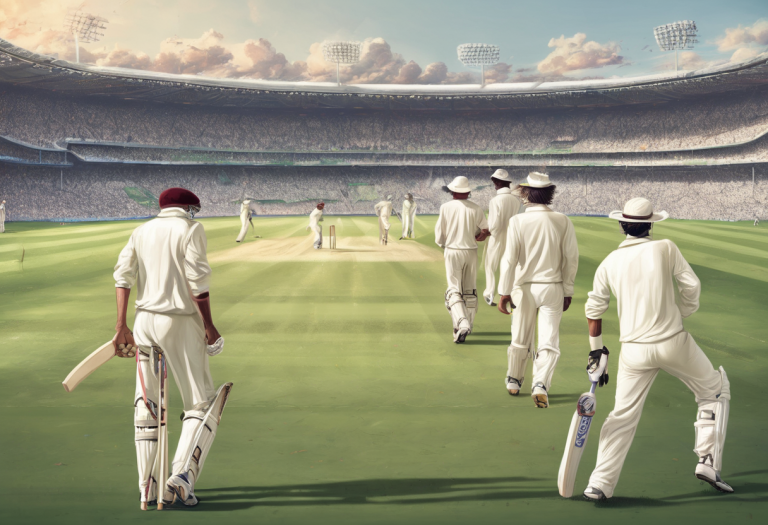
Cricket is a sport that has been played since the 16th century, with its origins in England. It first began as a game played by shepherds and farmers in the countryside, using a wooden stick as a bat and a ball made out of cork or stone. As the sport grew in popularity, designated playing fields or “grounds” started to emerge. These grounds were often just open fields with no specific dimensions or markings, leading to varying playing conditions and strategies.
In 1787, Lord’s Cricket Ground in London became the first official cricket venue, marked with boundaries and a pitch laid out according to specific rules. This was the first step in the evolution of cricket grounds, as they started to become more standardized and professional. In the 19th century, the popularity of cricket spread beyond England to other countries such as Australia, India, and South Africa. As a result, more cricket grounds were built to accommodate the growing demand for the sport.
Over the years, cricket grounds have undergone significant changes and improvements. The introduction of turf pitches in the late 19th century replaced the uneven and unpredictable playing surfaces of the past. Floodlights were also installed in stadiums to allow for night matches, providing a new and exciting experience for players and spectators alike. In recent times, technology has also played a major role in the evolution of cricket grounds, with the introduction of electronic scoreboards, player review systems, and even the use of drones for aerial photography.
Today, cricket grounds are not just places for playing matches, but also serve as iconic landmarks and symbols of national pride for the countries that host them. From the historic grounds of Lord’s and the Melbourne Cricket Ground to the modern marvels of the Dubai International Cricket Stadium and Eden Gardens in India, these venues hold a special place in the hearts of cricket fans around the world.
As cricket continues to evolve and gain popularity, it is certain that cricket grounds will also continue to adapt and evolve, providing a stage for the sport’s rich history and exciting future.